
Pushing Performance and Sustainability: McCarthy’s Use of Type 1L Cement at UC Riverside
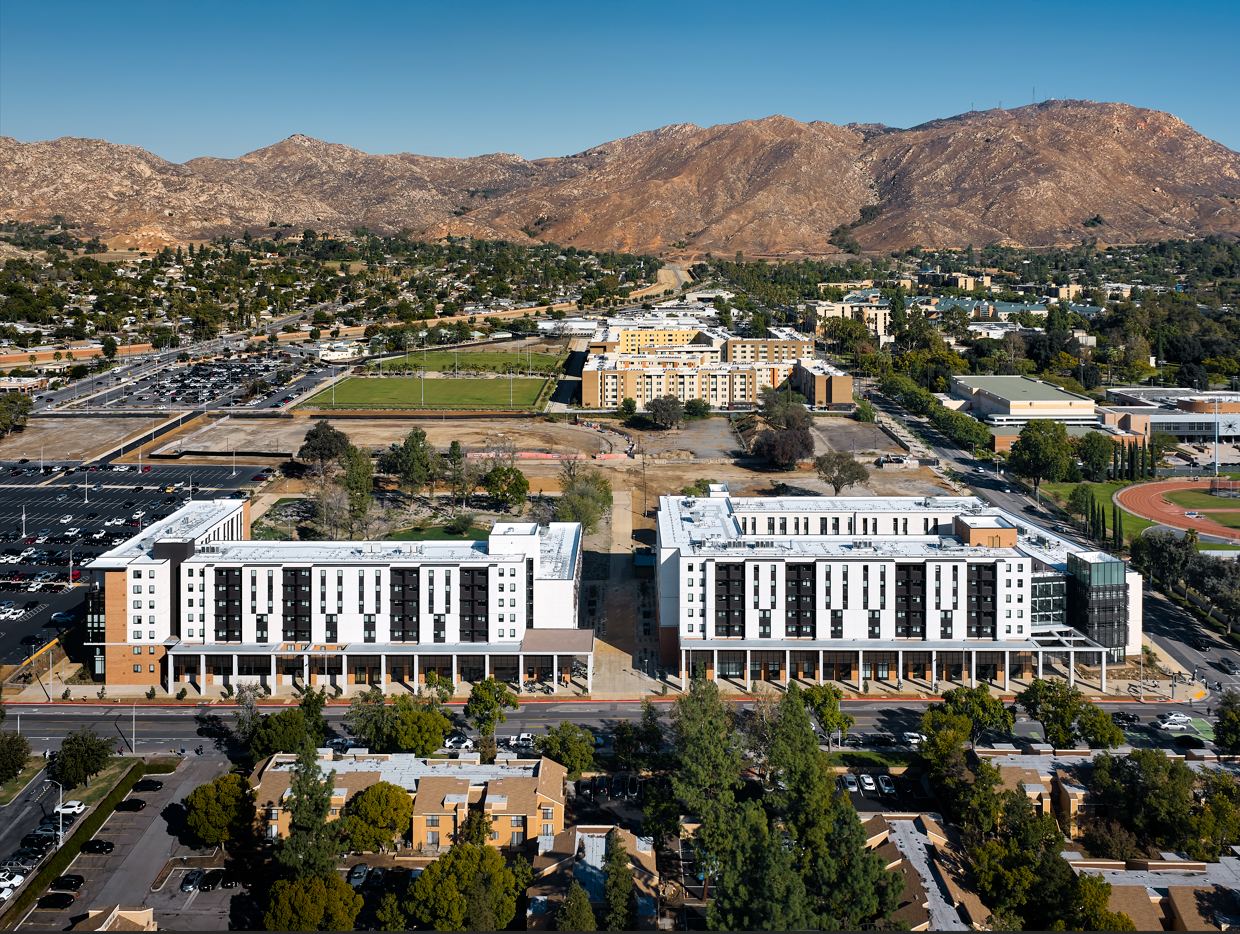
McCarthy Building Companies continues to lead the evolution of sustainable construction with the strategic use of Type 1L cement (Portland Limestone Cement, or PLC) across multiple large-scale projects at the University of California, Riverside.
From complex academic buildings to massive student housing communities, McCarthy’s application of this lower-carbon cement product illustrates a commitment to sustainability, performance, and aesthetics.
Projects utilizing PLC at UC Riverside include the UCR School of Business, North District Housing Phase 2, and the Undergraduate Teaching and Learning Facility (UTLF); each requiring tailored solutions to achieve architectural intent, concrete performance, and environmental goals.
Concrete Innovation at Scale: Building the UCR School of Business
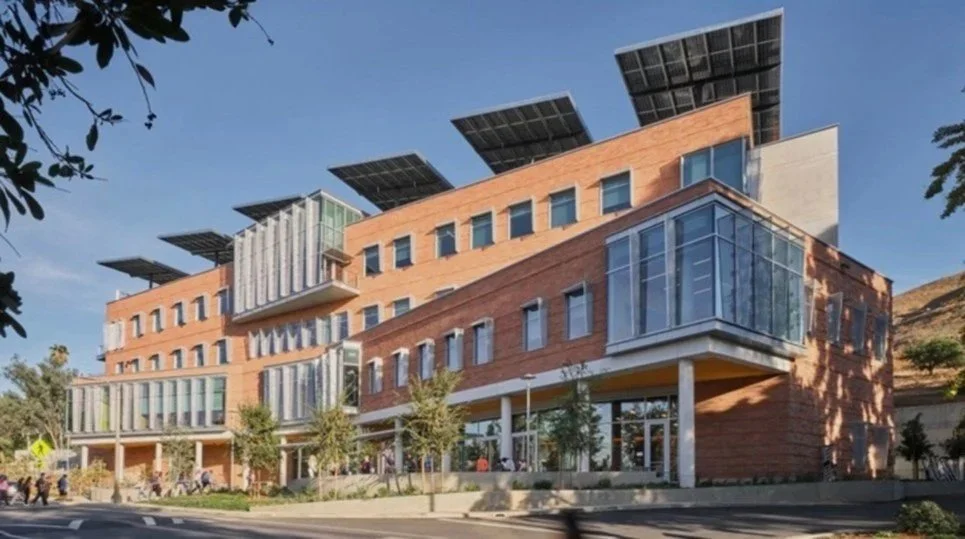
Architect: Moore Ruble Yudell Architects & Planners
Structural Engineer: Coffman Engineers
Size: 63,400 GSF
Cost: $ 80.2 million | LEED Platinum Certified
Completed: August 2023
A flagship addition to UC Riverside’s academic core, the School of Business building was delivered through a design-build partnership between McCarthy and Moore Ruble Yudell Architects & Planners, with structural engineering by Coffman Engineers.
More than 7,000 cubic yards of Type 1L concrete were used throughout the four-story structure, with all vertical and horizontal elements constructed using PLC. Given Riverside’s hot climate, the team used proactive placement strategies and techniques to achieve a consistent, white finish across exposed concrete surfaces. The result is a LEED-certified, high-performance facility, featuring classrooms, an auditorium, computer and media labs, and flexible student spaces—designed to serve as a catalyst for economic and academic growth in the Inland Empire.
UCR North District 2 Student Housing: A Showcase for Architectural Concrete and Sustainability
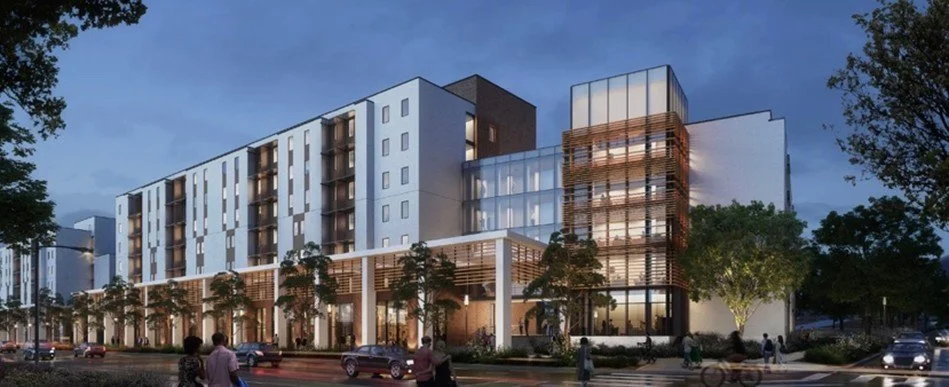
Architect: Solomon Cordwell Buenz (SCB)
Structural Engineer: DCI Engineers
Civil Engineer: KPFFLos Angeles
Size: 424,000 SF
Cost: $300 million | Targeting LEED Gold
Completion: Summer 2025
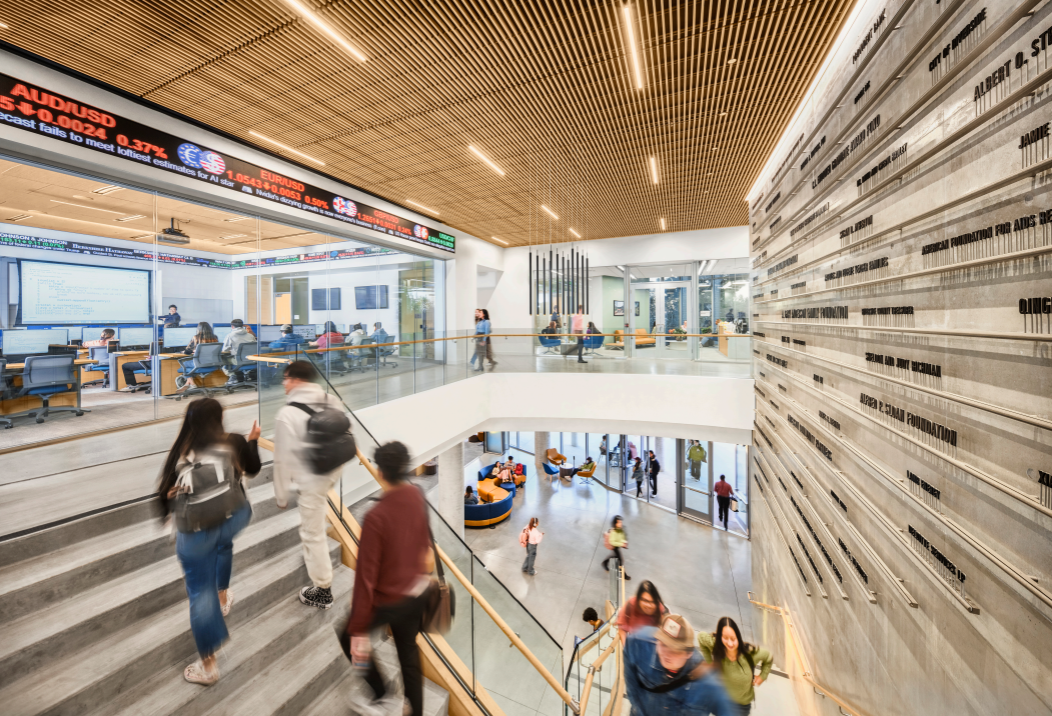
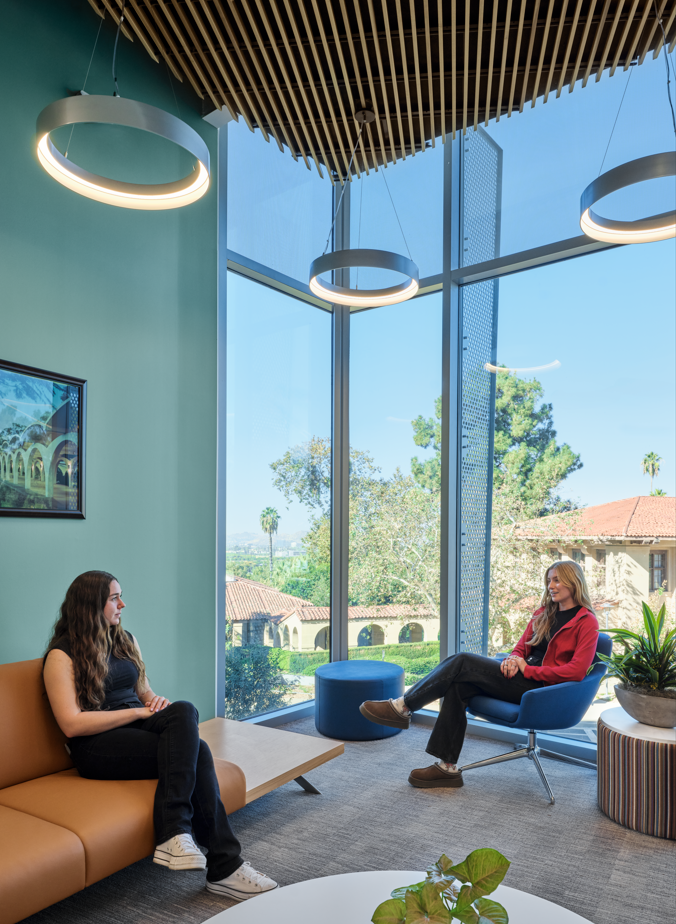
The second phase of the North District student housing project is a transformative residential community developed through a unique collaboration between UC Riverside and the Riverside Community College District (RCCD). The project adds over 1,568 new student beds within a five and seven-story building complex, spanning a total of 424,000 SF.
The design pays homage to UCR’s mid-century modern heritage with monumental loggias of exposed PLC concrete and Norman-bond brick, creating a strong architectural identity while integrating passive solar strategies and climate-responsive design.
McCarthy has placed over 11,500 cubic yards of concrete, much of it exposed, showcasing the firm’s ability to deliver high-performance finishes and thermal resilience even with the significant environmental temperature swings of the area.
Phase 2 also acts as a gateway development at the northern edge of campus, continuing the 50-acre North District’s transformation into a fully integrated living/learning district.
UCR Undergraduate Teaching and Learning Facility (UTLF): A Concrete Gateway for Student Life
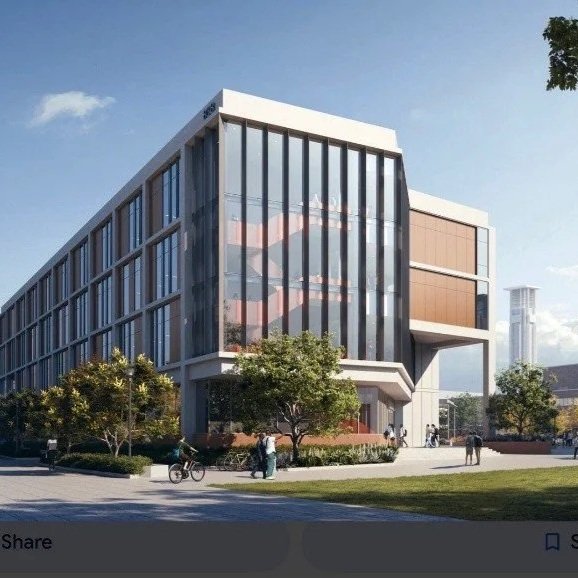
Architect: Steinberg Hart
Structural Engineer: Coffman Engineers
Civil Engineer: Coffman Engineers
Size: 100,700 GSF
Cost: $ 133 million
Scheduled Completion: Summer 2026The UTLF site, positioned at the northern edge of the campus core, was selected for its ability to bridge academics, athletics, and student life, creating an active pedestrian corridor and strengthening the campus promenade.
The new Undergraduate Teaching and Learning Facility (UTLF) is designed to enhance academic life on campus through lecture halls, active-learning classrooms, laboratories, and student engagement spaces. The four-story structure also includes an expanded dance studio and adjacent outdoor performance area.
In total, the building features over 10,500 cubic yards of finished Type 1L concrete, left fully exposed across all elevations. The use of PLC supports UCR’s carbon-reduction goals, while also delivering a refined and consistent aesthetic in a structurally demanding application.